
I do this every few weeks because the lists are part of the job here. Pull up the newest roundups, the thirty-tool guides, the top-tens, the Reddit threads where someone asks what to use. A year ago the answers were all over the place. Now they have settled. The same handful of renderers leads every list, in roughly the same order, with the same one-line reasons. Convergence is usually a sign a market has matured. It is also, for the people making the images, a quiet problem.
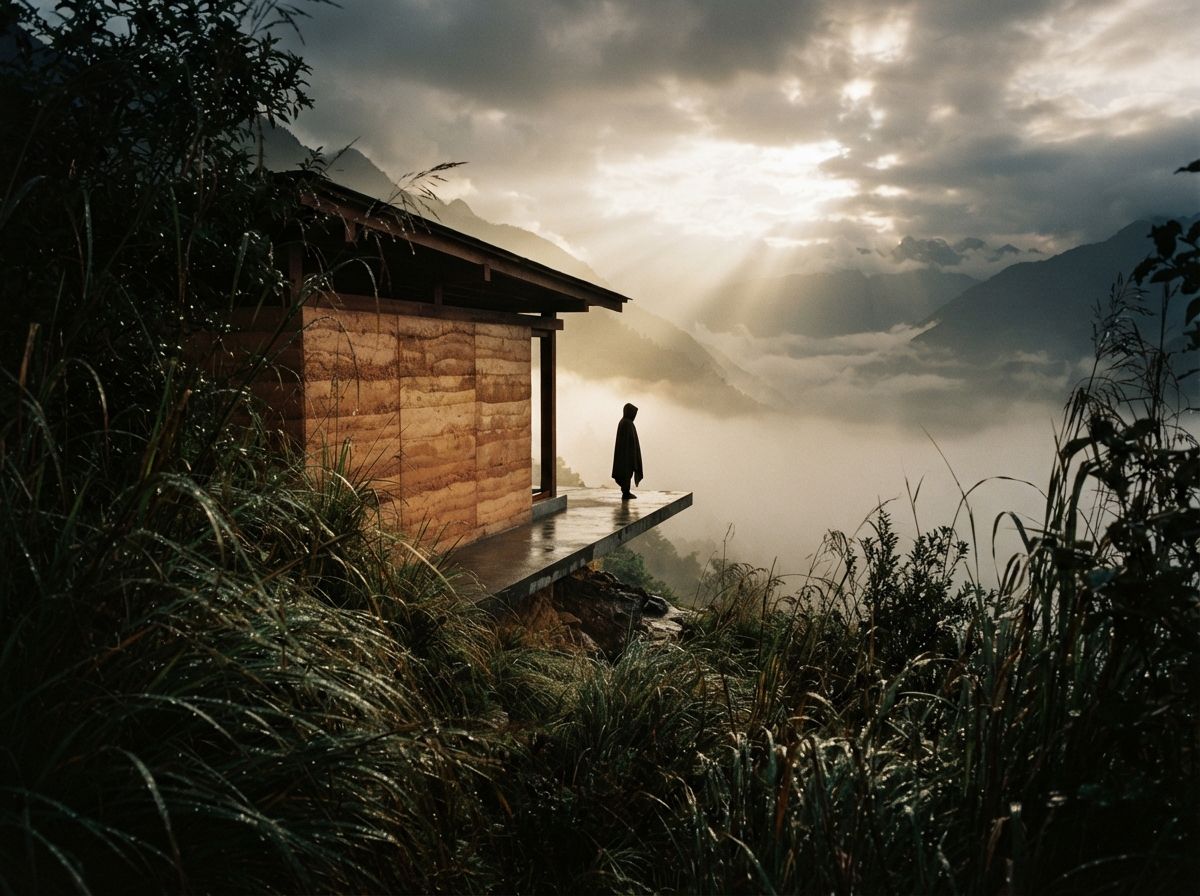
Because when a profession agrees on its tools, it tends to agree on its output too. Walk a stack of recent AI renders and a house you have never seen starts to feel familiar. Same warm late-afternoon light. Same shallow puddle on the same wet plaza. Same lone figure in a long coat. The buildings differ; the images rhyme. That rhyme is the cost of everyone reaching for the same shelf.
The convergence is real
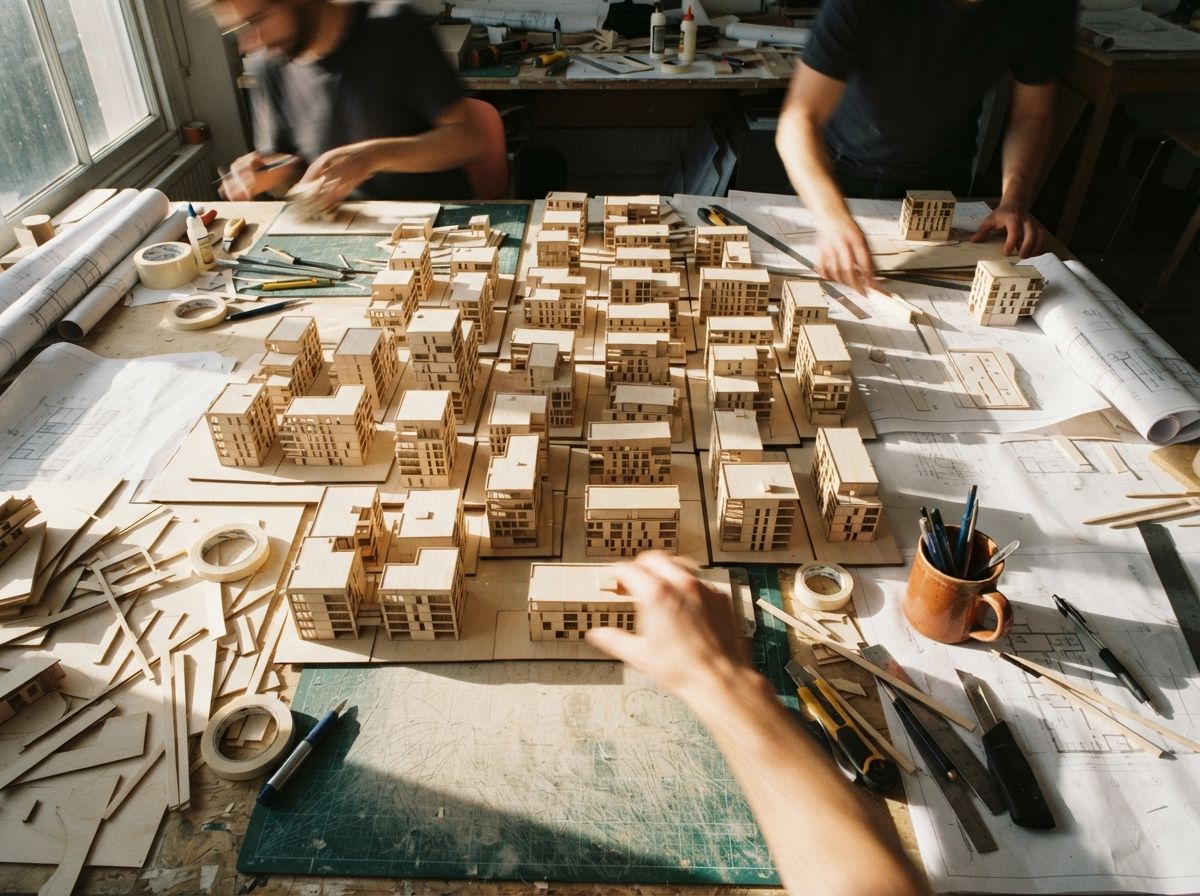
This is not a hunch from squinting at a moodboard. It shows up in the sources. Across the current crop of guides, the leading tools are the same five or six, and the AI layer underneath them is narrower still. A handful of image models now power a large share of what architects generate, whether through a dedicated plugin or a hosted enhancer. When the model is shared, the look is partly shared before you type a single word.
Stack three layers of overlap and the outcome is predictable. Everyone picks from the same short list of tools. Those tools call a small set of the same underlying models. And most users run them on or near the factory defaults, because the defaults are good and deadlines are real. Shared tool, shared model, shared settings. The surprise would be if the renders did not start to resemble each other.
A year ago choosing the tool felt like the decision. Now the tool is the part everyone has already copied. The decision moved somewhere else, and most renders never follow it there.
Why sameness creeps in
It helps to be specific about where the look comes from, because "AI renders all look alike" is lazy on its own. The sameness has sources you can name, and most of them are choices rather than fate.
Defaults are sticky. Every one of these tools ships with a tuned starting point: a default lighting mood, a default level of polish, a default sense of what a nice render is. Those defaults are deliberately flattering, which is exactly why they spread. The first output looks great, so it ships, and the firm's whole library drifts toward one vendor's idea of good.
The models share DNA. When several tools sit on top of the same generation engine, they inherit its habits: how it draws glass, how it resolves a far facade, which materials it renders convincingly and which it fudges. You can fight those habits, but you have to know they are there, and most workflows never push past the first clean result.
Prompts converge too. The community shares prompt recipes the same way it shares tool lists. "Golden hour, photoreal, cinematic, shallow depth of field" is now a reflex. Reflexes produce consistent output. Consistent output across thousands of users is, by definition, sameness.
The client can feel it, even if they can't name it
Here is the part that should worry a practice rather than a hobbyist. A few years ago a photoreal AI render impressed a client because it was rare. That moment is over. Clients have now seen hundreds of these images, from you and from everyone pitching against you, and the polish no longer reads as effort. It reads as table stakes. We have written before about how mainstream client expectations have shifted, and this is the next turn of that screw: not only is a slick render expected, a generic one can quietly work against you.
The tell is subtle. A client may not say "this looks like AI." They say the scheme feels a bit safe, or they cannot quite picture the place, or they liked the hand sketch better. What they are reacting to is an image that describes a building without committing to one. Default renders are fluent and noncommittal, and noncommittal is a hard thing to sell.
What still sets your work apart
The good news is that almost nothing on this list costs money. It costs attention, which is rarer and harder to copy than a subscription.
Start from your own material. A render built on your site photography, your massing, your real material palette carries information a blank prompt cannot invent. Feed the tool the truth of the place and it has something specific to hold onto. Feed it adjectives and it gives you the average of everyone else's adjectives.
Hold a house style. The studios whose work you recognise at a glance decided what their images look like and then repeated it: a consistent palette, a consistent light, a consistent restraint. Pick yours and reuse it across a project so the set reads as one practice's voice rather than one tool's preset.
Render the idea, not just the building. The strongest images make an argument. They point the eye at the move the scheme is about, the section that matters, the threshold that does the work. A default render lights everything equally and argues nothing. We have made this case at more length in why AI is design thinking, not just rendering, and it is the whole game here.
Finish by hand. The last edit, the part most people skip under deadline, is where an image stops being generic. Adjusting the light, fixing what the model fudged, removing the stock figure, choosing what to leave out. A render someone clearly decided about looks nothing like a render someone merely generated.
A quick test before you send
- Cover the building. If the mood, light and figures could belong to any project, the image is running on defaults. Change one of them on purpose.
- Name the move. If you cannot say in one sentence what the render is arguing for, the client will not find it either.
- Spot the preset. The wet plaza, the long-coat figure, the identical golden hour. If they showed up without you choosing them, they are the tool talking, not you.
Our take: the tool stopped being the edge
None of this is an argument against the standard stack. Those tools lead the lists because they are genuinely good, and we use most of them. The argument is against believing the tool is your advantage. It was, briefly, when few firms had caught up. Now that everyone has the same shelf, owning the right software is the price of entry, not a differentiator, and a render that leans on the tool alone will look like everyone else's by default.
So let the stack converge. Let it be boring and shared and settled. Spend your effort one layer up, on the inputs and the idea and the final hour of editing that no preset will ever do for you. The firm that wins the next pitch will not be the one with a tool nobody else has. It will be the one whose renders still look like a decision.
Based on a sweep of current "best AI tools for architects 2026" roundups and community threads, vendor materials for the named tools, and Vista Studios hands-on use of the standard render stack. Tools and underlying models change fast; treat any single list as a snapshot. No affiliate relationship with any tool named.