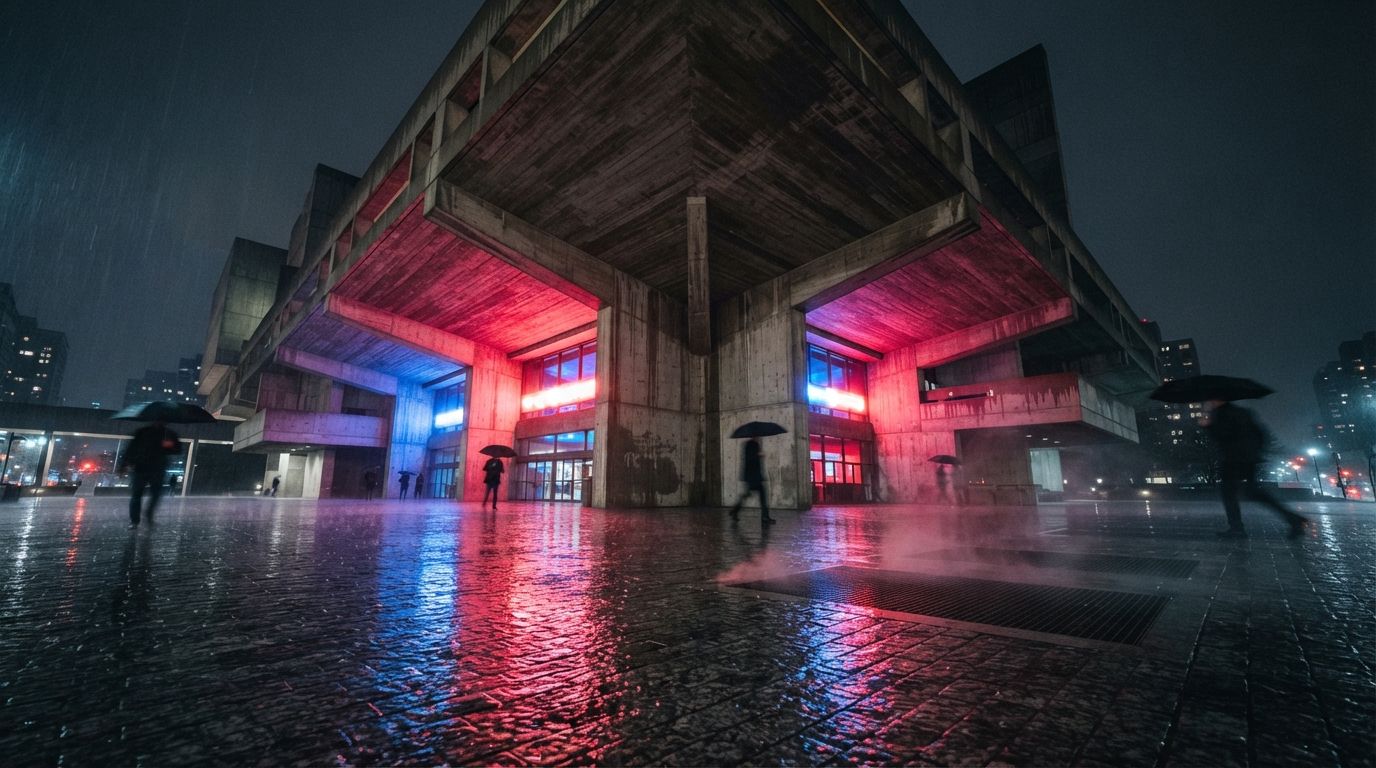
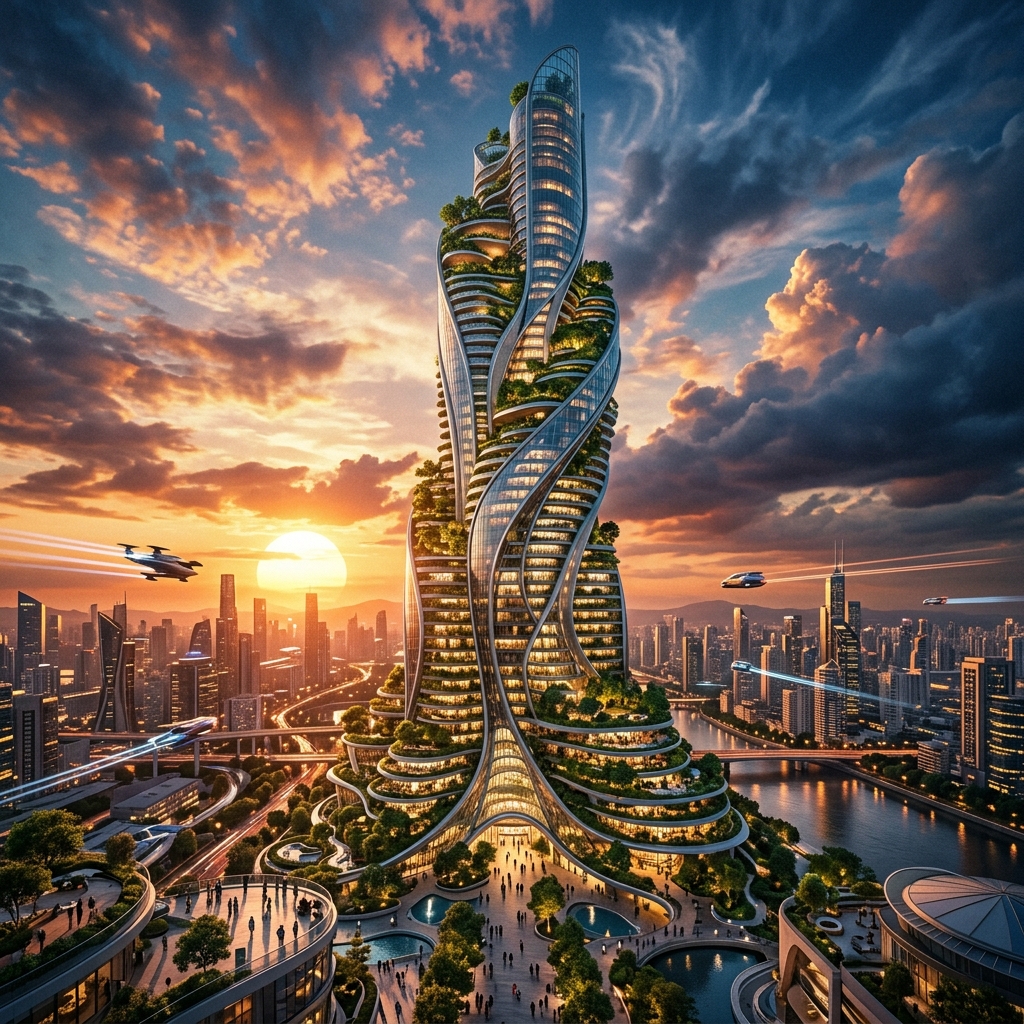
When V8 Alpha landed in mid-March it was, on paper, everything we'd asked for: a ground-up, GPU-native rewrite, native 2K output, and generation around five times faster than V7. In practice the first week was a disappointment for anyone doing architecture. The new engine produced images that were cleaner in the worst sense — over-smoothed, plasticky, materials sanded down to a uniform sheen. A brick wall lost its coursing. A concrete soffit lost its formwork. The renders looked like marketing for a building that didn't exist yet, which is exactly the failure mode architects can't ship.
Then V8.1 arrived about a month later, in mid-April, and it's the release that actually matters. It kept the speed and the resolution and walked back the homogenisation — restoring aesthetic range and the creative expressiveness V8 had flattened. For our work that translates to crisper material edges, more believable light, and far fewer of the uncanny-clean surfaces that made V8 unusable on real projects. If you wrote off V8 in March, this is your sign to come back.
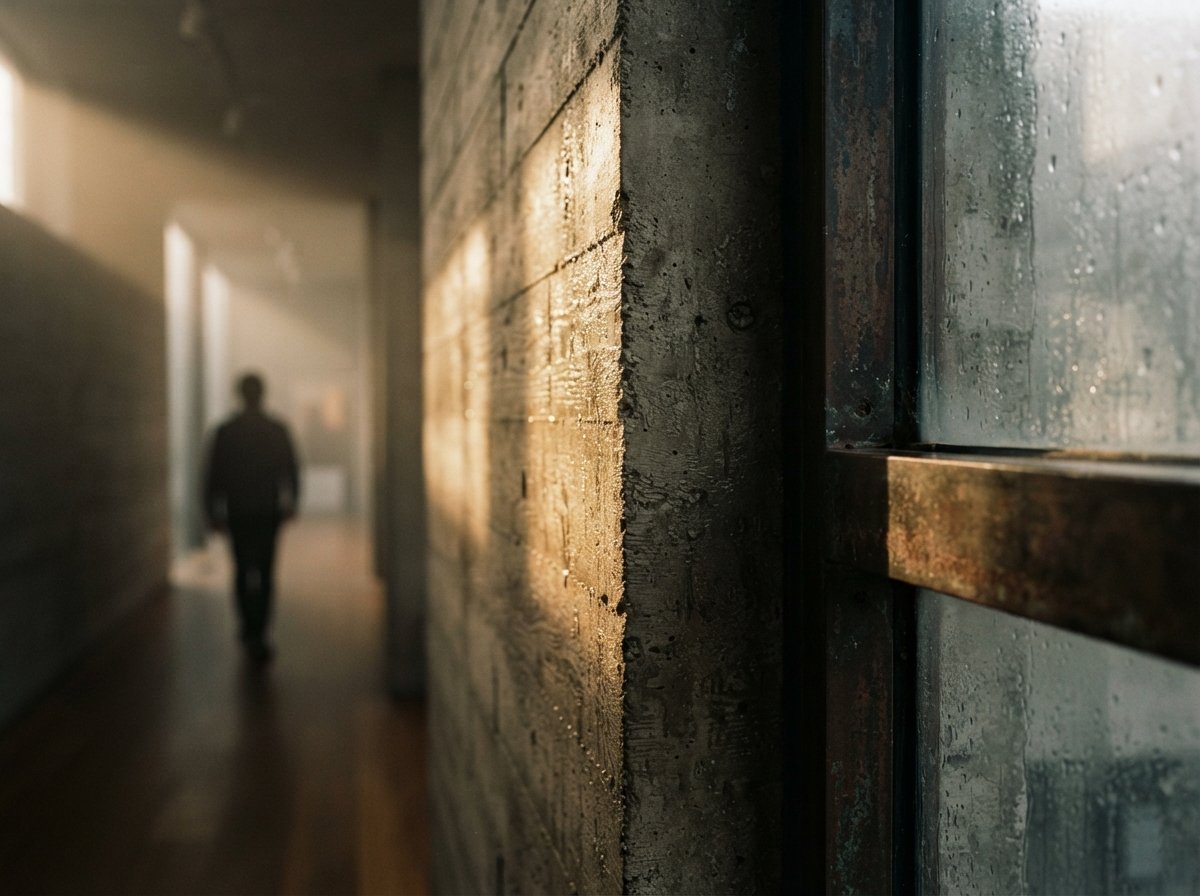
The only setting that matters: image weight
Speed and resolution are nice, but they're not why this release changes the workflow. The reason is that V8.1, fed a strong image reference, finally holds your geometry well enough to be useful as a finishing pass on a model export rather than a slot machine for vibes. The control that unlocks it is --iw, the image-weight parameter, and after a few hundred test generations on live project models we keep landing on the same number.
For architecture, --iw 1.5 is the line between "enhance my building" and "imagine a different one."
The logic is simple once you've watched it fail at the extremes. At the default weight, V8.1 treats your export as a loose suggestion: it borrows the mood and throws away the massing, migrating windows and inventing a roofline you never drew. Push the weight too high and you over-constrain it — the model freezes so tightly to the source pixels that it can't add the very light and material you brought it in for, and you get a slightly sharper version of your flat clay export. Around --iw 1.5, it respects the proportions, the fenestration rhythm and the camera while still doing real work on surface, atmosphere and time of day.
The export half of the equation
The reference image does at least half the job, and most disappointing results trace back to a bad export rather than a bad prompt. Send V8.1 a clean, high-contrast viewport capture: legible massing, clear shadow direction, no UI gizmos or section planes in frame, and enough resolution that edges read crisply. A muddy, low-contrast SketchUp screenshot gives the model permission to guess, and it will. A crisp export with honest shadows gives it something to hold onto.
The prompt half
With the geometry carried by the reference, your prompt should stop describing form and start describing finish. Don't tell it "a modern three-storey house" — the export already says that. Tell it the material, the light, the season, the mood: "board-formed concrete and warm oak, late-afternoon side light, soft overcast sky, quiet and grounded." When the prompt and the reference compete to define form, the building suffers. When the reference owns form and the prompt owns finish, they stack.
Clean viewport export as image reference → --iw 1.5 → prompt describing material, light and mood only → --ar matched to your export's aspect ratio → generate 4, pick the one that kept your geometry, then vary-subtle (not vary-strong) to refine. Drop --iw toward 1.0 only when you deliberately want more invention; raise toward 2.0 when even the windows are drifting.
What the V8.1 fix actually buys an architect
The headline numbers — 2K, ~5x faster — matter less than they sound. Faster iteration is welcome, but speed was never the bottleneck on serious work; trust was. The real gain in V8.1 is that the outputs survive a second look. V8's over-smoothing meant every render needed a mental asterisk: lovely, but the materials are lying. V8.1's restored texture means a render can go in front of a client without you privately knowing it's fiction. That's a workflow change disguised as an aesthetic patch.
| What you're doing | V8 Alpha (March) | V8.1 (April →) |
|---|---|---|
| Material realism | Over-smoothed, plasticky | Texture and grit restored |
| Holding a model export at --iw 1.5 | Drifts despite the reference | Respects massing & fenestration |
| Speed / resolution | 2K, ~5x faster than V7 | Same gains retained |
| Client-ready without a caveat | Risky — reads as marketing | Usable if anchored & checked |
| Consistency across 4 iterations | Four buildings | Closer, still not locked |
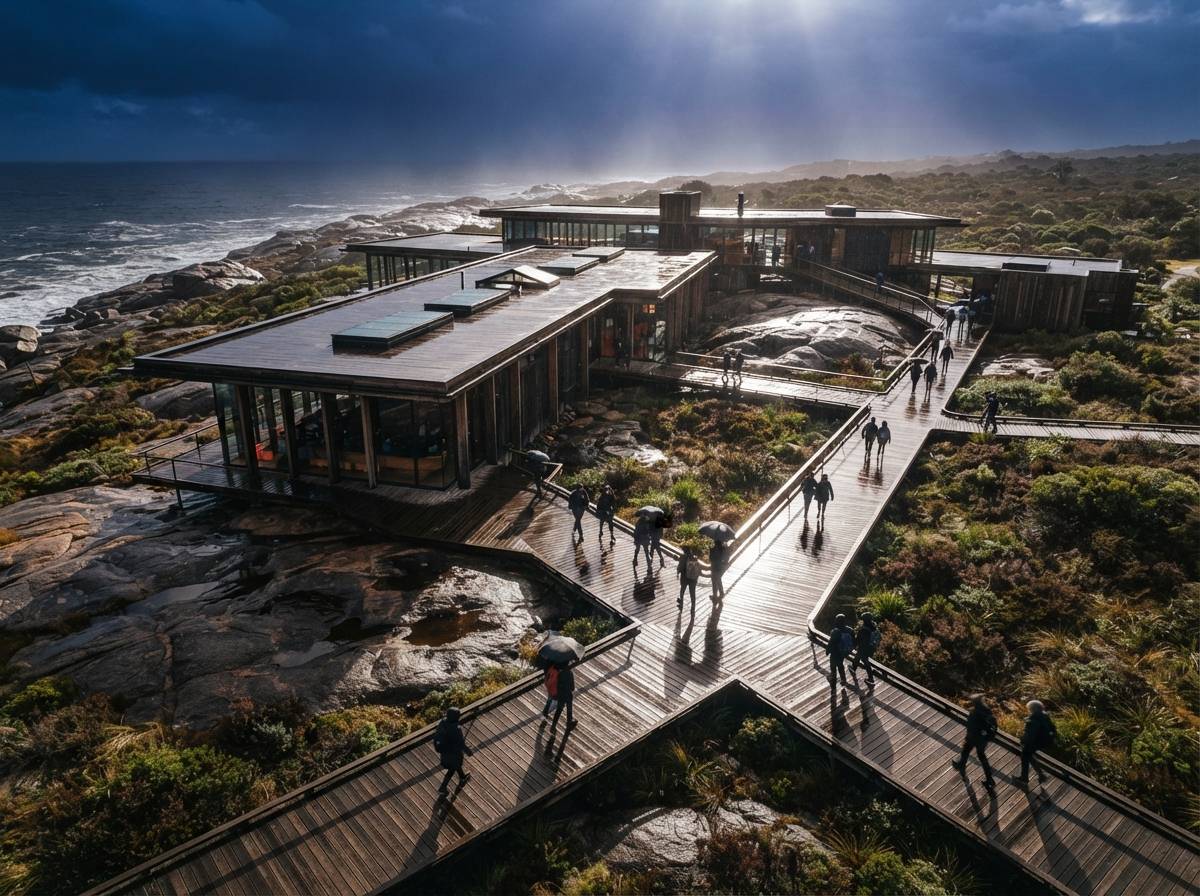
Where this workflow still breaks
Be honest about the ceiling. Even at --iw 1.5 with a pristine export, V8.1 is a general image generator wearing your building as a costume. It has no model of construction; it will still quietly redraw a parapet detail or merge two mullions when it thinks the composition wants it to. Run four iterations and you'll get four very similar buildings rather than four treatments of one — better than V8, but a long way from the geometry-locked behaviour of a renderer that operates on your actual model. We pulled at that thread in our piece on purpose-built architectural AI versus the image generators, and the conclusion holds here: Midjourney is a brilliant painter that doesn't know it's looking at a building.
So the boundary is the same one that governs every general generator in 2026. Use V8.1 upstream — concept, mood, the client-facing hero image early in a project when nothing has to be buildable yet. The moment accuracy becomes the deliverable, move to a tool anchored to your geometry. The mistake isn't using Midjourney; it's carrying a Midjourney render into a room where someone expects it to be true.
Our take: the patch that made it a real tool
V8 was a benchmark win and a workflow loss — faster at producing images we couldn't use. V8.1 is the quieter, more important release precisely because it's unglamorous: it fixed the thing that made the engine untrustworthy for architecture. With the reference-image discipline above, it has earned a permanent spot in our early-phase kit, sitting alongside — not replacing — the anchored renderers we reach for once a design has to hold up. If you only update one habit from this piece, make it the --iw 1.5 floor and the export discipline behind it. That single change moved more of our generations from "nice, but wrong building" to "that's the one" than any prompt-craft ever did.
If you're testing V8.1 this week
Take one real model. Export a clean viewport frame, run it at --iw 1.0, 1.5 and 2.0 with the same finish-only prompt, and lay the three side by side against your source. You'll see the drift collapse as the weight climbs and the enhancement flatten if you go too far — and you'll find your own number, which may sit a hair either side of ours depending on how clean your exports run.
We test AI rendering tools on real project work and publish the honest version — including where the fast new release quietly broke, and which patch fixed it. Join the studio newsletter for weekly field notes, or read our companion on prompt-engineering architectural exteriors.
Reported from public Midjourney release information for V8 Alpha (mid-March 2026) and the V8.1 refinement (mid-April 2026). No affiliate relationship with Midjourney.