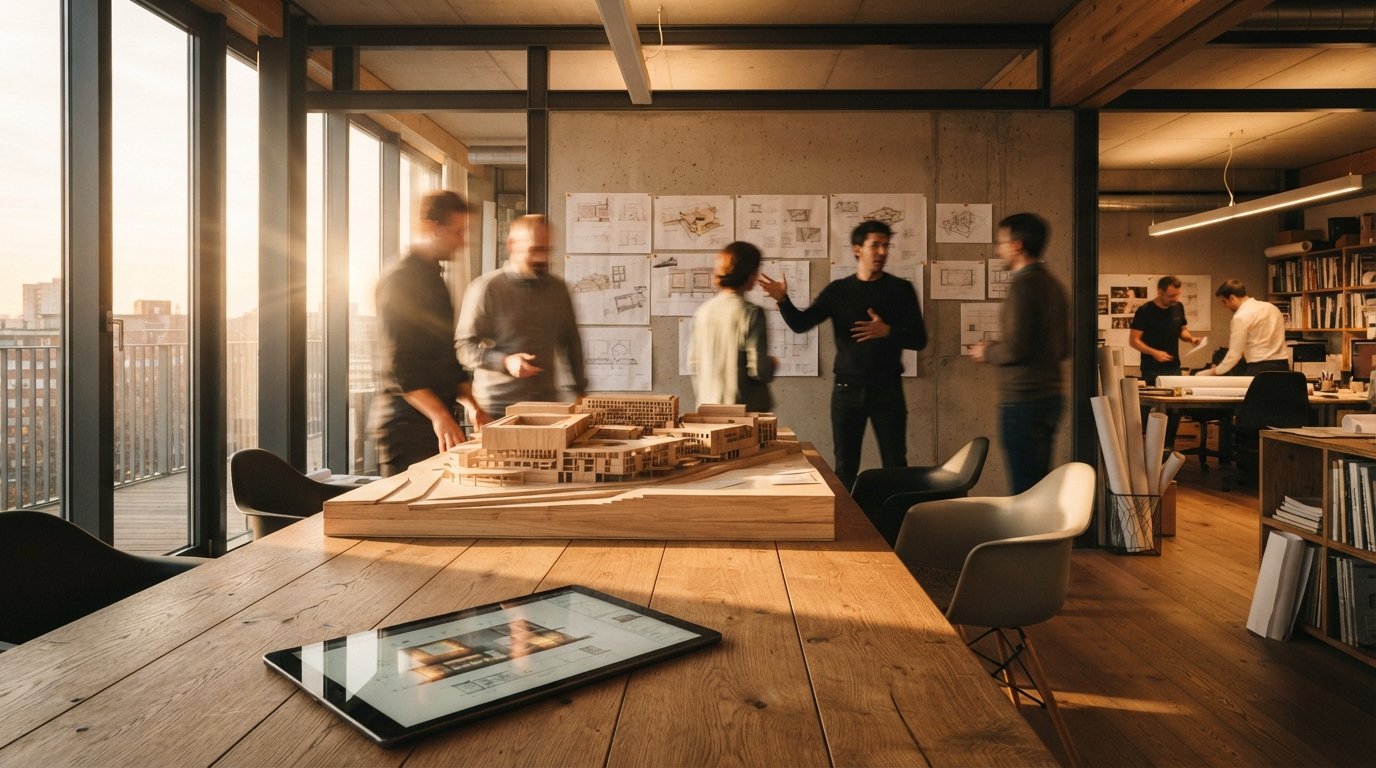
The VR walkthrough has been the prestige format of architectural presentation for a decade, and the pitch has not changed: put the client inside the building before it exists. When it lands, nothing else comes close. A client who walks a lobby at eye height understands the ceiling in a way no still, no matter how good, can teach them. That part is real, and it is why VR keeps its place at the top of every renderer's feature list, Enscape's included.
Here is the part the feature list omits. VR is a one-person format. One headset, one client, one experience nobody else in the room shares and nobody outside the room receives. It demands logistics: a charged device, a prepared scene that survives free navigation in every direction, and a client willing to put a screen on their face in a business meeting, which a reliable fraction will decline, and a smaller fraction should, because motion discomfort is real. And it produces no artifact. When the headset comes off, the experience evaporates. The committee member who missed the meeting gets a verbal summary of a spatial argument.
The clip is the new deliverable
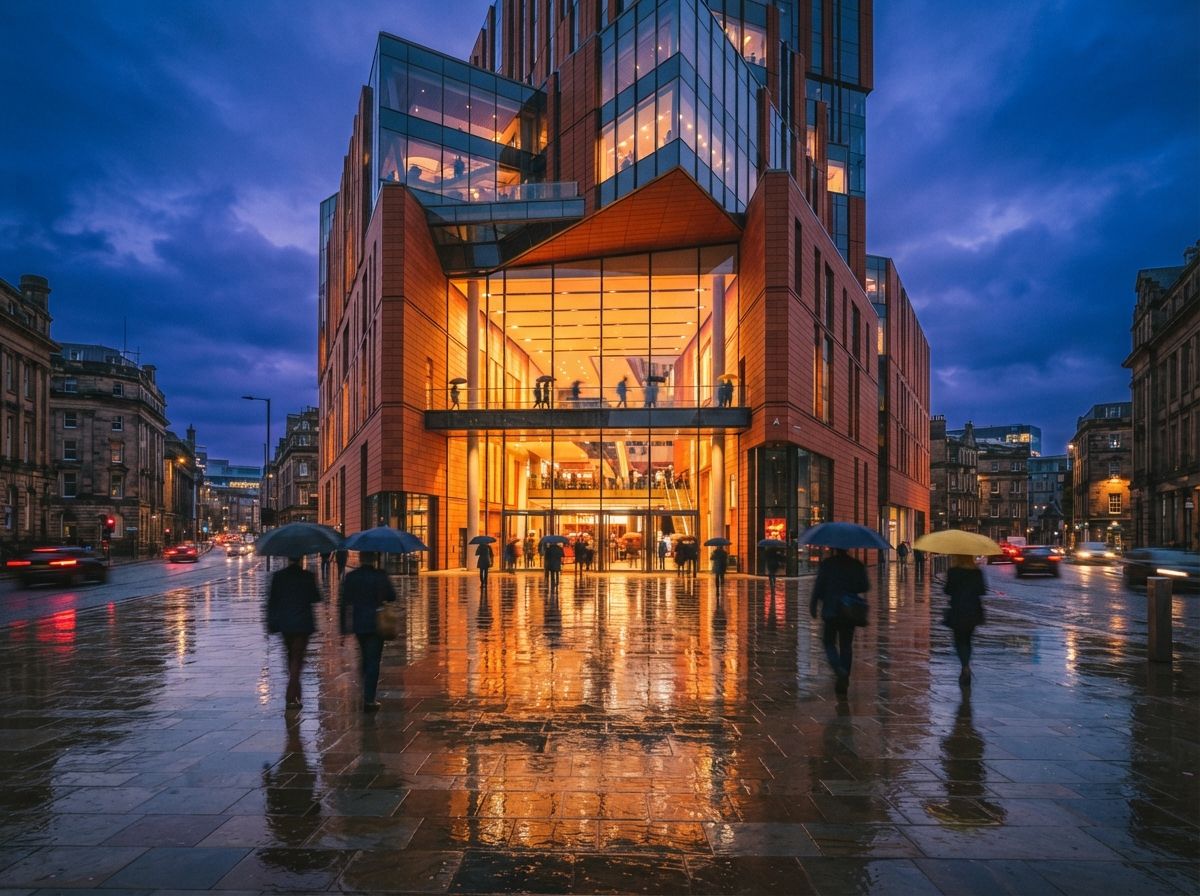
Meanwhile the other motion format got absurdly cheap. What used to be a rendered animation, a four-figure line item with a two-week lead time, is now a still render pushed through image-to-video in minutes. Veras 4 does it natively, and the general video models, Kling and Veo among them, will animate a camera move through any render you hand them. The output is a 20-to-60-second clip. Vertical if you want it. Plays on a phone.
The production recipe barely deserves the word. Start from your strongest still, the one that already survived your own QA, because the video inherits every virtue and every flaw of its source frame. Choose one slow camera move, a push toward the entry, a drift across the facade, a rise from street to roofline; restrained moves synthesize cleanly, ambitious ones invite artifacts. Generate three or four candidates, expect to discard most, and pick the one where the geometry holds. Cut it to under a minute, because the format's power is that it ends before attention does. The whole exercise costs twenty minutes and a handful of credits, which is why it should be attached to every significant client touchpoint by default, not reserved for milestones the way animations once were.
Do not underestimate what that last property does to a project. The clip is the only presentation format that travels the way decisions actually travel. The board member forwards it to the board member who was absent. The developer drops it in the investor deck. The couple building a house sends it to the parents who are quietly funding the addition. Every one of those forwards is your design argument being made without you in the room, and no other format does it. Nobody forwards a headset. Nobody re-experiences a live navigation session. The clip is not the fallback format for people who could not attend the VR demo. It is the primary format for the people who decide.
The meeting is one hour. The forwarding chain is the rest of the project. Pick the format that survives the second one.
The honesty caveat cuts the other way, though. A clip is a curated path. The camera goes where the architect sends it, which means it can glide past exactly the corners a free-roaming client would have found, and with AI-generated motion there is a second problem underneath: the frames in between are synthesized, so geometry can wobble in motion in ways a still never reveals. A mullion that swims between frames will be noticed by precisely the client you least want noticing it, and the physical tells that make stills read as fake get a time axis to fail on. QA the clip like a deliverable, because it is one.
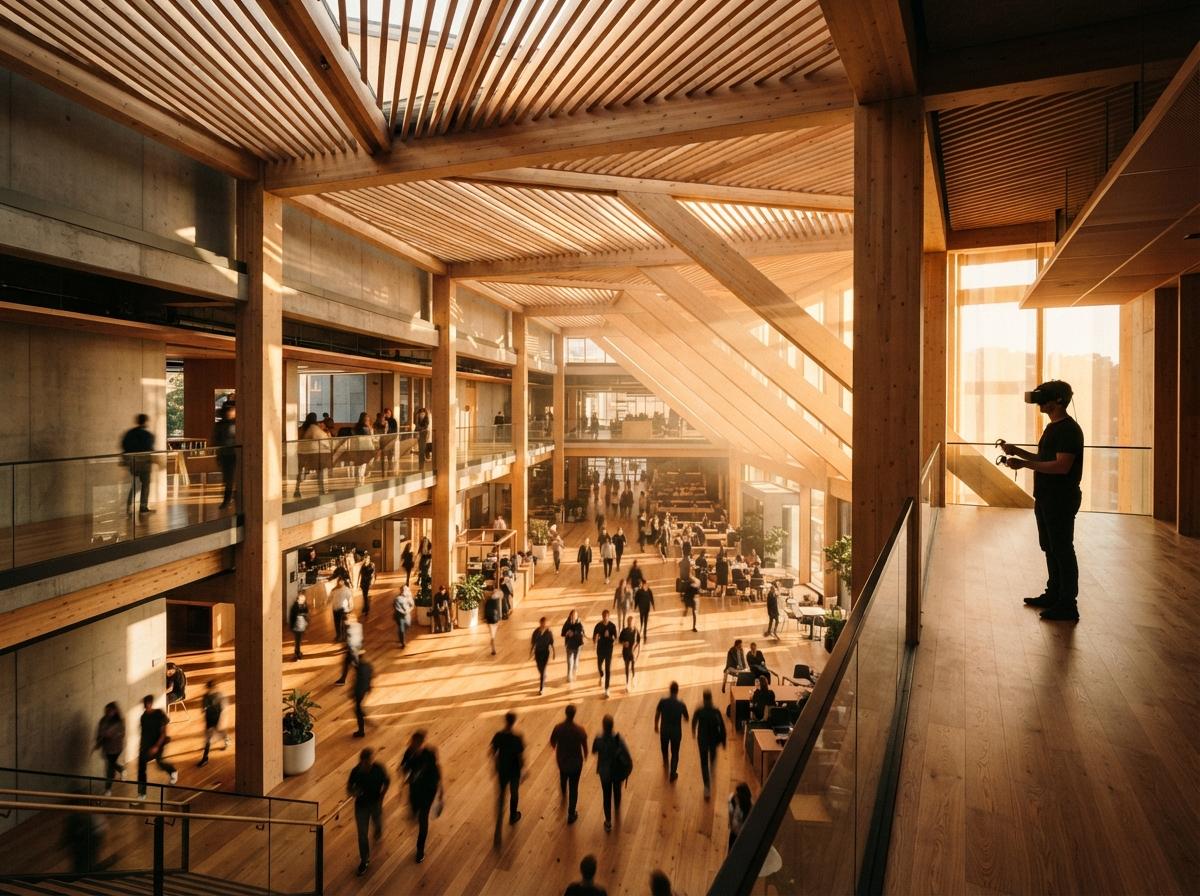
Most of VR's value is not the headset
The dirty secret of the VR walkthrough era is that the majority of its practical value was never the goggles. It was real-time navigation, and that works fine on a laptop plugged into the meeting-room screen. A designer driving Vantage, Twinmotion, or Enscape on a flat screen gives the whole room the thing VR promised, walk anywhere, answer "what if we stood here" instantly, without the logistics, without the nausea, and with every stakeholder watching the same pixels at once. It also keeps the architect in the role of guide rather than technician fussing with a strap. For working design reviews, this is the format that wins, and it is the one nobody markets, because it stopped being novel in 2021.
So the honest field guide looks like this. Working sessions where space is being decided: real-time on a screen, driven live. Approvals, fundraising, and any decision involving people who will not attend a meeting: the AI video clip, QA'd hard. The actual headset: a handful of genuine cases, a hospital planning group walking ward layouts, a developer's sales suite, a client who specifically asks, and, less nobly, the moments where a firm needs to perform innovation at a pitch. That last use is real business value. Just be clear with yourself that it is theater, and budget it as theater.
Our take
Firms keep buying motion formats the way the tools are sold, as a prestige ladder with VR at the top, video in the middle, and stills at the bottom. The ladder is wrong. These are three different instruments for three different moments, and in 2026 the cheap one moved. The rendered animation used to be the expensive middle child; AI image-to-video made it nearly free, and that changes the default. A still set plus a 40-second clip now covers the median project's entire presentation need at almost no marginal cost, which is a sentence that was false eighteen months ago. The presentation layer is consolidating just like the render layer did, and the format that wins is the one that fits in a text message. Meanwhile client expectations have mainstreamed: motion is no longer impressive by itself, so the impressiveness budget should move to what the motion shows.
Put the headset in the closet. Put the laptop on the table. And send the clip, because the person who signs was not in the room.
Written from the July 9, 2026 intel sweep: Enscape's instant-VR positioning in this week's tool rankings and the Chaos Veras visuals-and-animations pitch. No affiliate relationship with any tool named.